

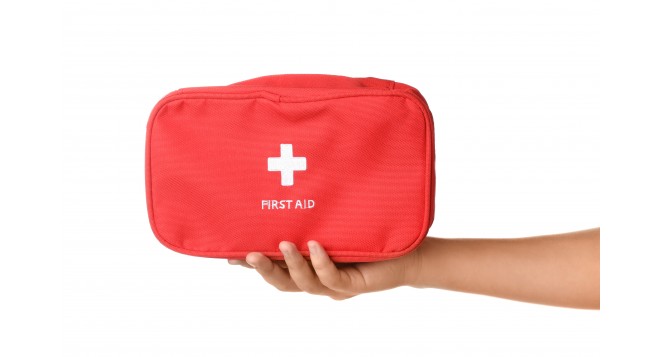
First Aid Tips and Myths
It's hard to remember what the first thing you're supposed to do is during the few first seconds of an emergency. It could be a quick knife slipping over a finger during dinner preparation, your child running up to you with blood gushing out of his nose, or accidentally touching a hot pan and burning your fingertips. Without second thought, we often reach for the medicine cabinet and our first aid kits on autopilot—relying on instincts and age-old tricks we were taught as children—to quickly patch up the situation.
Many of the first aid tips we've picked up may not be the best treatment, however. Here are a few popular emergency tips and myths.
DON'T: Use rubbing alcohol on clean cuts
This has been a contested question. While hydrogen peroxide, rubbing alcohol, or iodine are excellent cleaning solutions. It is not necessary for the majority of clean cuts and scrapes. Rubbing alcohol dehydrates the skin tissue around the wound, which will stretch the skin, possibly slowing healing. These cleaning solutions can kill off healthy cells necessary to heal your wound in the process of healing it, as well.
Letting cool water run over cuts and scrapes for a few minutes should remove the bacteria. Mild antibacterial soap is enough, and will not irritate the wound as stronger cleaning solutions would.
Make sure to protect wounds with antibiotic ointment and keep the wound raised above your heart, if possible, to slow the blood flow to it.
DO: Cover wounds with bandages
Antibiotic cream will help prevent infection and promote quicker healing, but should you let the wound stay open to air? It might help healing fast, but cuts and scrapes are still exposed to irritation, which requires the protective barrier: bandages.
Wounds on frequently-moving body parts, such as fingertip cuts, are prone to being easily reopened. Children, especially, are very active and may not remember to keep caution with reopening their cut. Wear a bandage for the first day or two to help protective it while it is sensitive and healing. Once the wound is covered, you can take the bandage off. While bandaged, cuts are undisturbed and better protected which will lead to a speedier recovery.
DON'T: Tilt your head back to stop nosebleeds
There's a rush of blood flowing down from our noses, so of course, the natural instinct is to press our nostrils closed and tilt back to slow the flow.
Tilting your head back will cause blood to flow back into your nasal cavity. This will collect into a pool at the back of your throat which makes it easy to swallow a lot of blood. Blood doesn't sit well in the stomach, it causes stomach upset and possibly vomiting.
Instead of tilting backwards (or all the way forwards with your head in between your knees), tilt your head only slightly forward and pinch your nose in the area above your nostrils, slightly below the bone.

Because most nosebleeds are caused by dryness inside the nose (or nose-picking, although kids will never admit to that), try applying petroleum jelly on the inside of your child's nose nightly to prevent future, frequent nosebleeds.
Have you heard of any other common tips or myths in emergency first aid? Let us know in the comments below!