

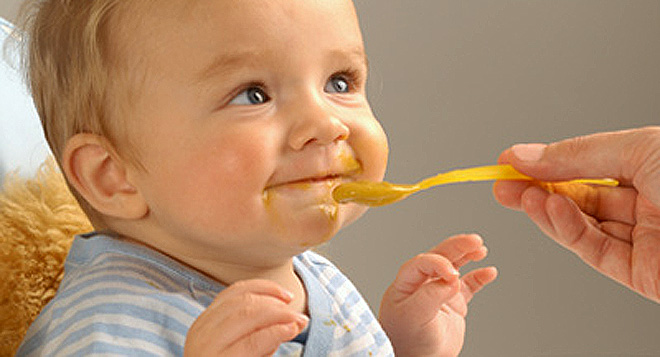
Don't wait to feed peanuts to your baby
How long before you can start feeding peanuts to your baby? A decade ago, parents were told to delay such high-risk foods until your baby was at least three years old. Nowadays, the exact waiting period is unofficial, some parents are told 18 months, some hear a year, or some wait nine months.
Whatever the magic number may be, the general guidelines for common food allergies are starting a lot sooner in your child’s life.
No benefit in delaying trigger foods
"Delaying the introduction of certain ‘trigger’ foods for periods previously recommended has been shown to have no protective effect on allergic sensitization and disease development," says the Canadian Paedeatric Society (CPS), in a statement released today.
It was previously suggested that parents held off from feeding their babies highly allergenic foods such as peanuts, eggs, milk, fish and shellfish for babies who don't already have established food allergies. In recent years, however, more and more evidence is showing that introducing potentially allergenic foods earlier may actually help build tolerance and prevent children from developing food allergies.
Feed babies high-risk food often to maintain tolerance
Parents can try give their baby their first small tastes of high-risk foods as early as six months, the CPS affirms. Once it is introduced and proven harmless, physicians recommend mashing the food so it is easy to swallow and giving it to babies several times a week to maintain tolerance.
"Do not delay the introduction of any specific solid food beyond six months of age. Later introduction of peanut, fish or egg does not prevent, and may even increase, the risk of developing food allergy."
The statement also included recommendations of breastfeeding exclusively for the first six months of an infant's life, or buying hydrolyzed cow’s milk-based formula if breastfeeding was not possible. The statement was endorsed by Dietitians of Canada as well.
This is all in stark contrast with the guidelines from 2000, where the American Academy of Pediatrics (AAP) recommended waiting until age one to give milk, age two for eggs, and age three for peanuts, tree nuts, shellfish, and fish.
To err on the side of caution, give your child their first test of high-risk foods during the day between Monday to Thursday. Emergency rooms are busier on Friday nights and weekends because on-call staffing schedules are erratic and many units such as diagnostic and interventional services, normally opened during the week, are closed. Should your child require emergency medical care, you want to go when staff are available to give you their fullest attention.